This post covers the following sections of “Community of All Creation” in the proposed revised UMC Social Principles:
- Stewardship of Creation
- Dependence on Fossil Fuels
- Sustainable Policies and Procedures
Stewardship of Creation
“The goodness of God’s creation, and the value given to every part of it, call people to respect, protect, and care for the creation and all interrelated aspects of it.”
This statement brings together all three theological principles identified in the Preface of Community of All Creation (see Creation: an Introduction). Every part of the natural world has inherent, inestimable worth as God’s beloved creation. Humans do not have more or less value, but relate to the other parts of creations as stewards, or caretakers. God calls us to this role as caretakers.

Dependence on Fossil Fuels
The RSP claim that the burning of fossil fuels is the greatest single contributor to global warming. In response, the RSP call for increased investment into alternative sources of energy. As this occurs, “it is critical to avoid solutions that would worsen current problems or create new, unforeseen environmental challenges.” Furthermore:
“To the greatest extent possible, plans for developing and deploying alternative sources of energy should minimize negative financial impacts by investing in strategies that support people in successfully transitioning to new employment…”
God has called us to care for creation, yet human actions have contributed to global warming and climate change. And though “the window of opportunity for reversing the negative effects” is closing, it has not yet closed. One solution is to seek more sustainable policies and practices.

Sustainable Policies and Practices
The RSP state that sustainability is crucial to “restore balance to the natural world and end the disruptive relationships between humanity and the rest of God’s creation.” Instead, sustainable policies and practices support humans living “in health balance with the earth.
Sustainable habits and practices name here are:
- Refraining from overconsumption
- Repurposing or recycling materials
- Avoiding products that pollute or otherwise harm the environment
- Reducing carbon footprints
There is also a recognition that changing personal habits isn’t enough:
“the church supports local, regional, national, and international cooperative efforts aimed at redressing the ecological harms humans have wreaked on a global scale.”
As with many social challenges, lack of care for the natural world is a structural problem woven into policies and practices of governments, corporations, and other institutions. And structural problems require structural solutions. What the RSP are effectively saying here is that, while individuals reducing energy costs, participating in recycling, and buying electric vehicles might help, the most effective way to reverse the effects of climate change and care for the natural world must happen with cooperative efforts at higher levels, such as:
- Policies and practices protecting all sentient beings
- Sustainable economic development
- Responsible consumption

Analysis
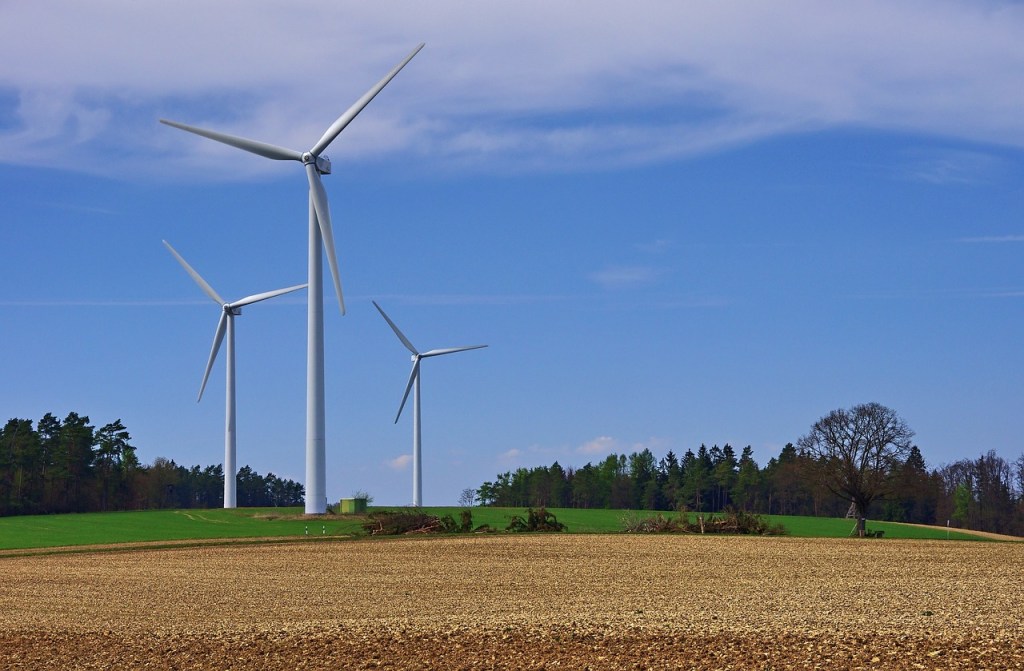
One way the world can move into more sustainable policies and practices is by continuing to invest in alternative sources of energy such as wind and solar, or electric vehicles. Although I am by no means an expert in environmental science or sustainable energy, I do want to point out several challenges to this, however.
First, not every locale is conducive to wind and solar energy at the levels needed to be sustainable. Second, the production of large batteries to store energy continues to utilize natural resources at an unsustainable rate, and without some use of fossil fuels, the energy needs of the global population will never be be met in our lifetimes. Added to this are the tremendous economic and geopolitical challenges of our global economy, which is heavily reliant on the shipping of products from one side of the world to another, which can only occur with humongous cargo ships and other commercial forms of transportation (and that’s without taking into account the processes to manufacture products).
Some people look at these challenges and wonder if it’s even worth bothering to seek more sustainable practices and more responsible consumption of energy sources. The problem seems insurmountable, and one million new all-electric vehicles will still only be a drop in the bucket. But our Christian witness must reject the temptation towards cynicism and embrace the hope that even these drops in the bucket matter. My desire would be for this section of the Social Principles to be not merely a denominational position paper, but a call to act in individual and larger cooperative efforts to demand more sustainable policies and practices both locally and globally.
All quotes from UMRSP, “Community of All Creation”
Read the full proposed revised UMC Social Principles and find resources to engage your congregation in studying the document here: https://umcsocialprinciples2021.org/
Next: Creation Justice
 Faith working by love
Leave a comment